

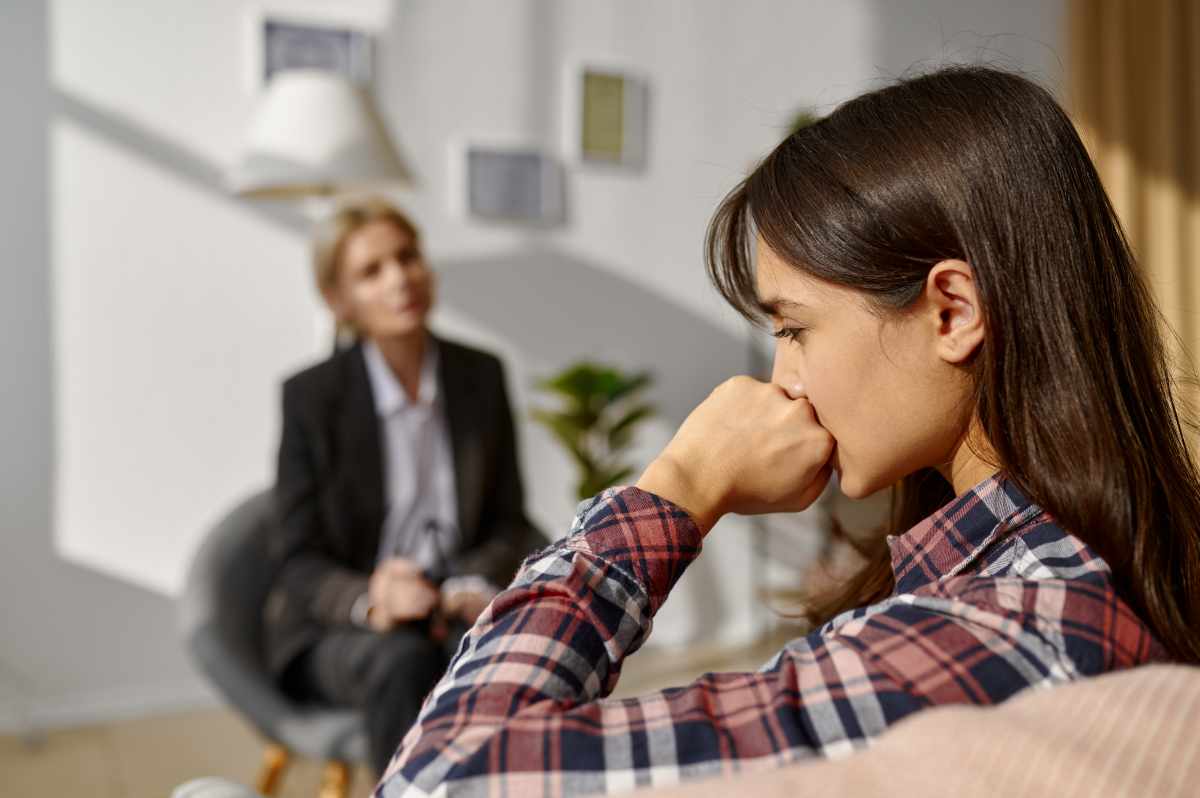
How Masking in Autistic Women Can Affect Self-Identity
At a Glance Masking in autistic women involves adapting behaviour to meet social expectations, which can make autism more difficult to recognise and influence a
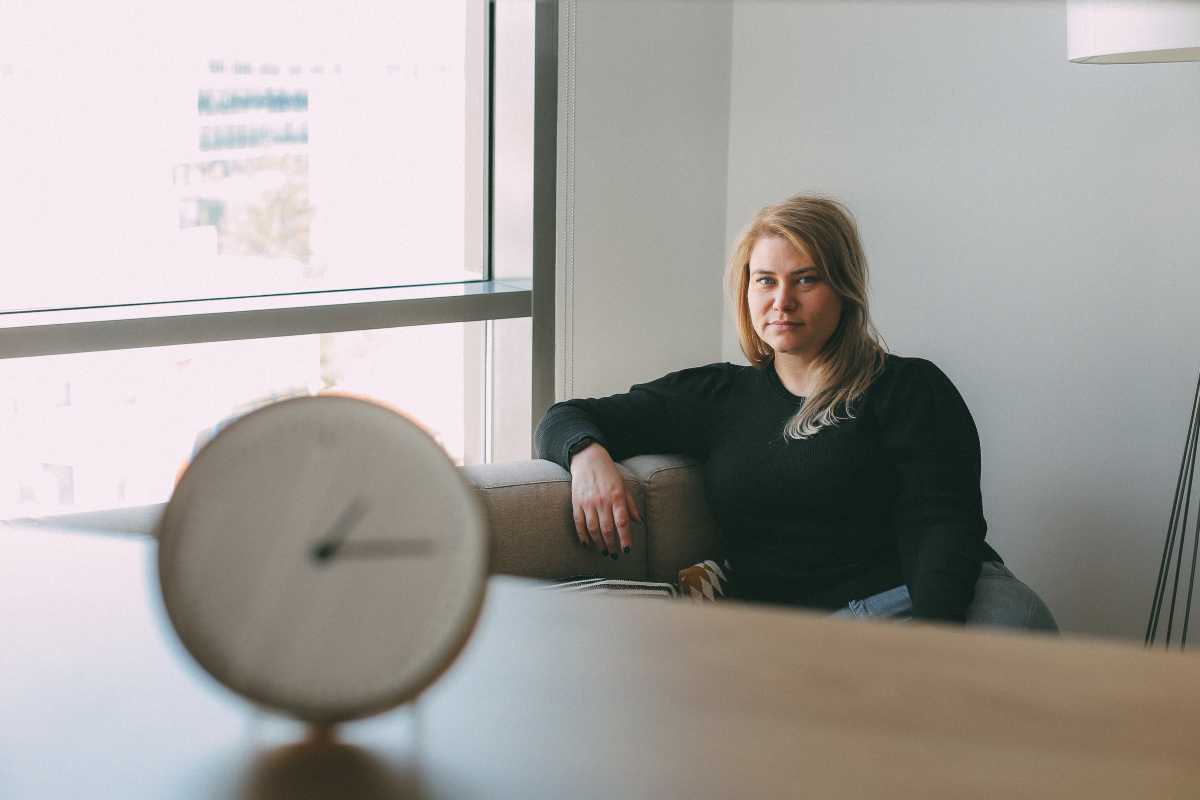
Why Time Can Feel Different for Autistic People
At a Glance Time perception in autism can affect how you estimate duration, manage deadlines, transition between activities and navigate daily routines. These differences are

5 Common Experiences Autistic Individuals May Face Pre-Diagnosis
At a Glance Many people with autism reach adulthood without recognising that long-standing challenges with social interaction, sensory sensitivities, uncertainty and masking may be connected

How Masking Influences Clinical Recognition of Autism in Adults
At a Glance Autistic masking can make autism more difficult to recognise in adults because outward social presentation does not always reflect internal experience. Modern

Understanding the Process of an Adult Autism Assessment
At a Glance Adult autism assessments vary because clinicians must evaluate developmental history, masking behaviours, communication patterns, sensory experiences and lifelong behavioural themes across different

What Are The Best Jobs for People With Autism
At a Glance Employment challenges for autistic adults often reflect mismatched workplace structures rather than ability. Roles that offer clarity, predictability, reduced social demand or

Why Remote Assessments are Often Better for Neurodivergent Individuals
At a Glance Remote autism assessments can provide a more accurate reflection of everyday communication and behaviour by reducing environmental, sensory, and social pressures often

The Two-Stage Autism Assessment Process Explained
At a Glance An autism assessment is a structured, multi-stage process that typically follows a two-stage model: an initial phase to build a detailed understanding
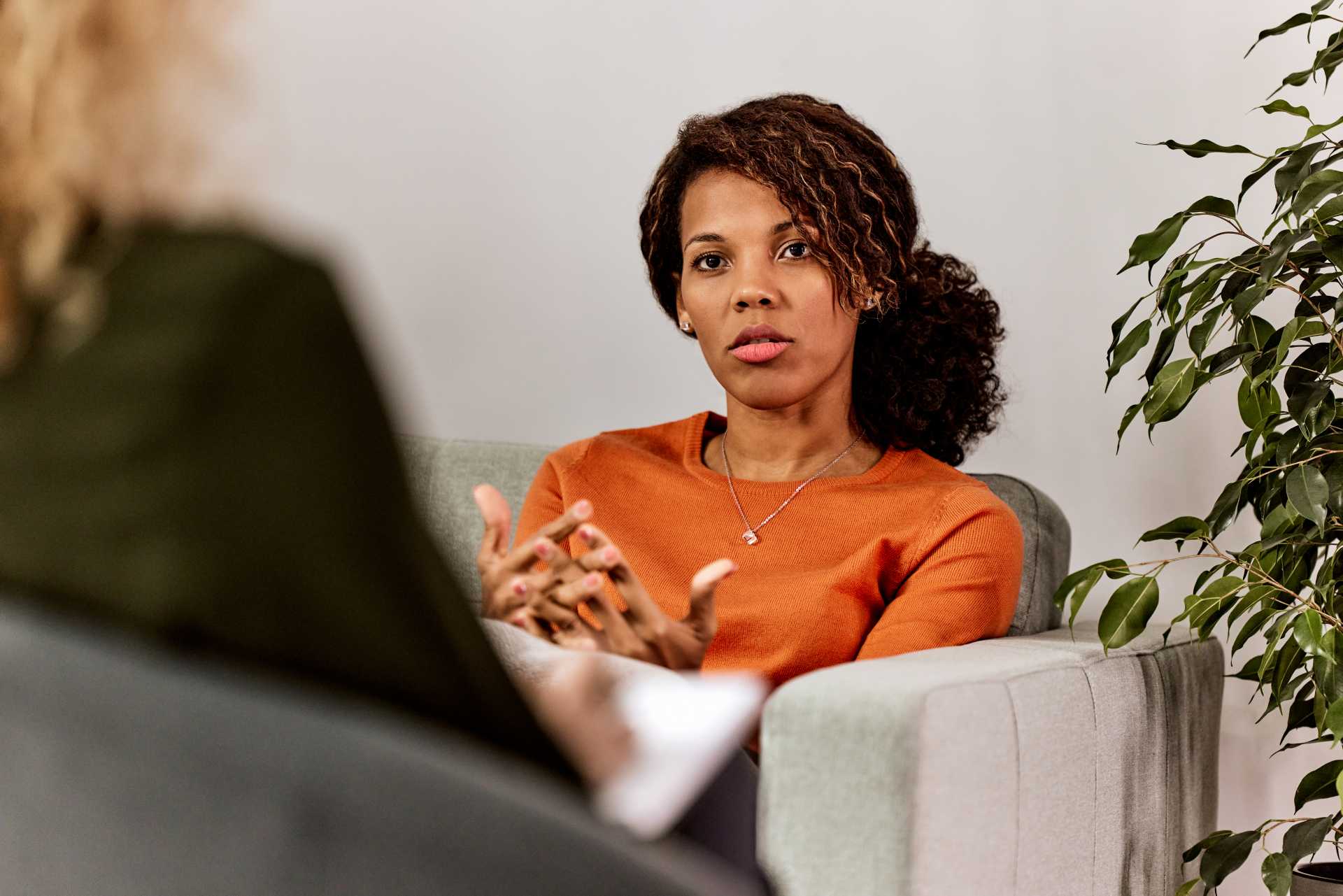
Why More Adults Are Pursuing Private Autism Assessments
At a Glance Private adult autism assessments in the UK are increasing due to improved awareness, broader diagnostic criteria, greater recognition of masking behaviours and